Safe Storage Practices That Protect Sensitive Hard Drives During Handling
Static bags for hard drives are an important part of safe electronic storage and transportation. These specialized protective bags help reduce exposure to electrostatic discharge, which can damage sensitive components without leaving visible signs. Proper storage practices are especially important when hard drives are moved between workstations, warehouses, repair areas, and production environments.
Electronic components can be vulnerable even when they appear completely normal. A small electrostatic discharge can affect internal circuits and create problems that may appear later. Using suitable protective packaging helps reduce unnecessary risks while employees handle, organize, inspect, or transport sensitive storage devices.
Storage areas should also be organized carefully. Hard drives should not be placed directly on ordinary desks, shelves, or other surfaces that may generate static electricity. A controlled storage environment makes it easier for workers to follow consistent procedures and reduces accidental contact with unsuitable materials.
Employees should handle electronic components with clean, dry hands and avoid unnecessary contact with exposed connectors. Devices should remain inside their protective packaging whenever they are not being installed or inspected. This simple habit can significantly improve handling discipline throughout a facility.
Temperature and humidity can also influence static electricity. Very dry environments may increase the likelihood of electrostatic charge accumulation. Maintaining suitable environmental conditions can therefore support a more stable workspace and complement other electrostatic protection procedures.
Clear labeling is another useful storage practice. Different components should be identified so workers can quickly recognize what is being stored and how it should be handled. Proper labels can reduce unnecessary opening of protective packaging and prevent components from being mixed or misplaced.
Storage shelves should be kept clean and free from unnecessary materials. Dust, moisture, and clutter can create additional handling concerns. A well-maintained storage area supports efficient inventory management while making it easier for employees to follow established electronic handling procedures.
Training is equally important. Workers should understand why electrostatic protection matters and how improper handling can affect electronic products. Short training sessions can teach employees correct packaging, movement, inspection, and storage methods without interrupting normal production activities.
Businesses should also review their storage procedures regularly. Changes in equipment, production volume, staffing, or workspace design may require updates to existing practices. Regular reviews help identify weak points before they become costly problems or contribute to avoidable component failures.
Good storage practices should continue beyond the warehouse. When a hard drive is moved to a repair station or testing area, employees should continue using suitable protective procedures. Maintaining the same standards throughout the movement process creates a more consistent approach to component safety.
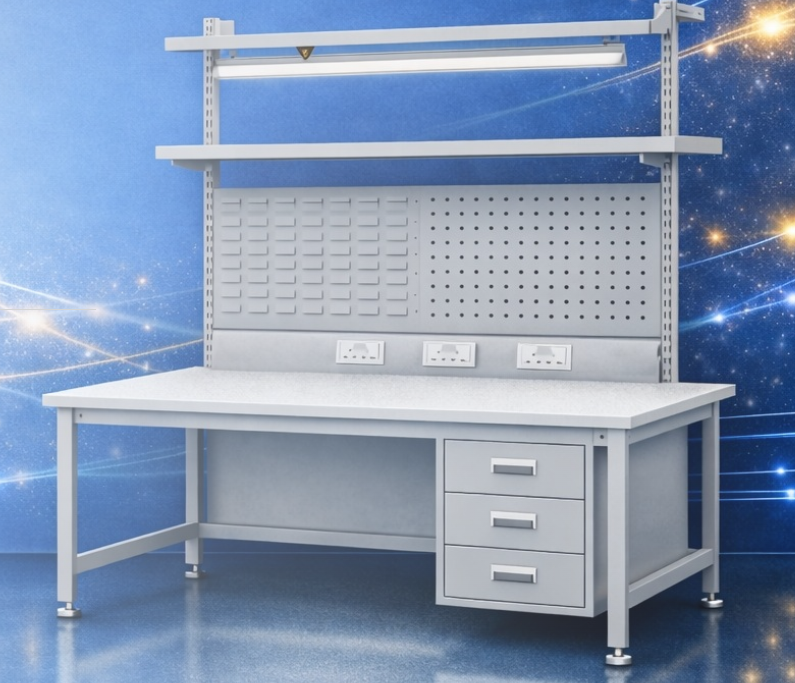
Work surfaces also deserve attention because employees frequently place packaged or unpackaged components on them during inspections. A suitable surface can help reduce the possibility of electrostatic discharge while making routine tasks more comfortable and organized for workers.
For many electronics facilities, protection works best when packaging, workspace controls, employee training, and regular maintenance are considered together. No single precaution should replace a complete handling procedure. Instead, each measure should support the others to create a dependable environment for sensitive electronic equipment.
A practical approach also involves monitoring workplace habits. Supervisors can check whether employees are following established handling procedures and whether protective materials are being used correctly. Simple inspections can identify problems such as unsuitable storage surfaces, damaged packaging, or inconsistent handling methods.
Another advantage of organized protection is improved productivity. When components are stored correctly, employees can locate them quickly and move them confidently. Reduced confusion can save time while also lowering the possibility of accidental damage during everyday operations.
Protective equipment should be inspected periodically as well. Packaging that is torn, heavily worn, or contaminated may not provide the expected level of protection. Replacing unsuitable materials is a small investment compared with the potential cost of damaged electronic equipment and production delays.
The same principle applies to workstation surfaces. Employees should have access to suitable protective areas where components can be placed during assembly, testing, inspection, and repair. Well-maintained ESD mats can help create a controlled working surface and support safer handling practices for sensitive electronic devices.


Comments
Post a Comment